Turning Free Bets into Cash: Matched Betting Playbook for Steady Gains
Turning Free Bets into Cash: Matched Betting Playbook for Steady Gains

Matched Betting Basics: Extracting Value Without the Gamble
Matched betting stands out as a technique where bettors place opposing wagers on the same event, one with a bookmaker's free bet and another on a betting exchange to lay off the risk, turning promotions into guaranteed cash; experts who've mastered this method report consistent returns because it relies on math rather than luck, and data from industry trackers shows users often pocket 70-80% of free bet values after qualifying losses. Those who dive in notice how bookmakers offer these incentives to attract sign-ups, yet savvy players flip them into profit by covering every outcome, whether a team wins, loses, or draws.
But here's the thing: this isn't gambling in the traditional sense, since the exchange lay bet offsets the bookmaker's back bet completely, leaving only the free bet's value as extractable gain; observers point out that as of April 2026, with sports seasons ramping up, promotions flood in from soccer leagues to horse racing meets, making now prime time for steady accumulation. Research from the American Gaming Association highlights how similar promo-driven strategies yield low-variance results across markets, underscoring why matched betting draws in methodical users worldwide.
How Back and Lay Bets Sync Up for Profit
The core mechanic hinges on backing an outcome at a bookmaker while laying it on an exchange like Betfair, where the lay bet acts as insurance betting against the same result; when odds align closely—say, a back at 2.0 and lay at 2.05—the qualifying bet incurs a minimal loss, offset later by the free bet's conversion. People who've crunched the numbers find that for a £30 free bet, qualifiers might cost £25-£30 net, yielding £20-£24 cash after lay-off, and that's before casino offers or reload bonuses enter the mix.
Turns out, exchanges provide liquidity from other users willing to back your lay, creating a marketplace where odds fluctuate in real-time; experts track these via software that scans discrepancies, ensuring bets match within 1-2% for optimal retention. And while early adopters faced thin markets, April 2026 volumes have surged with global events, allowing seamless execution even on niche props.
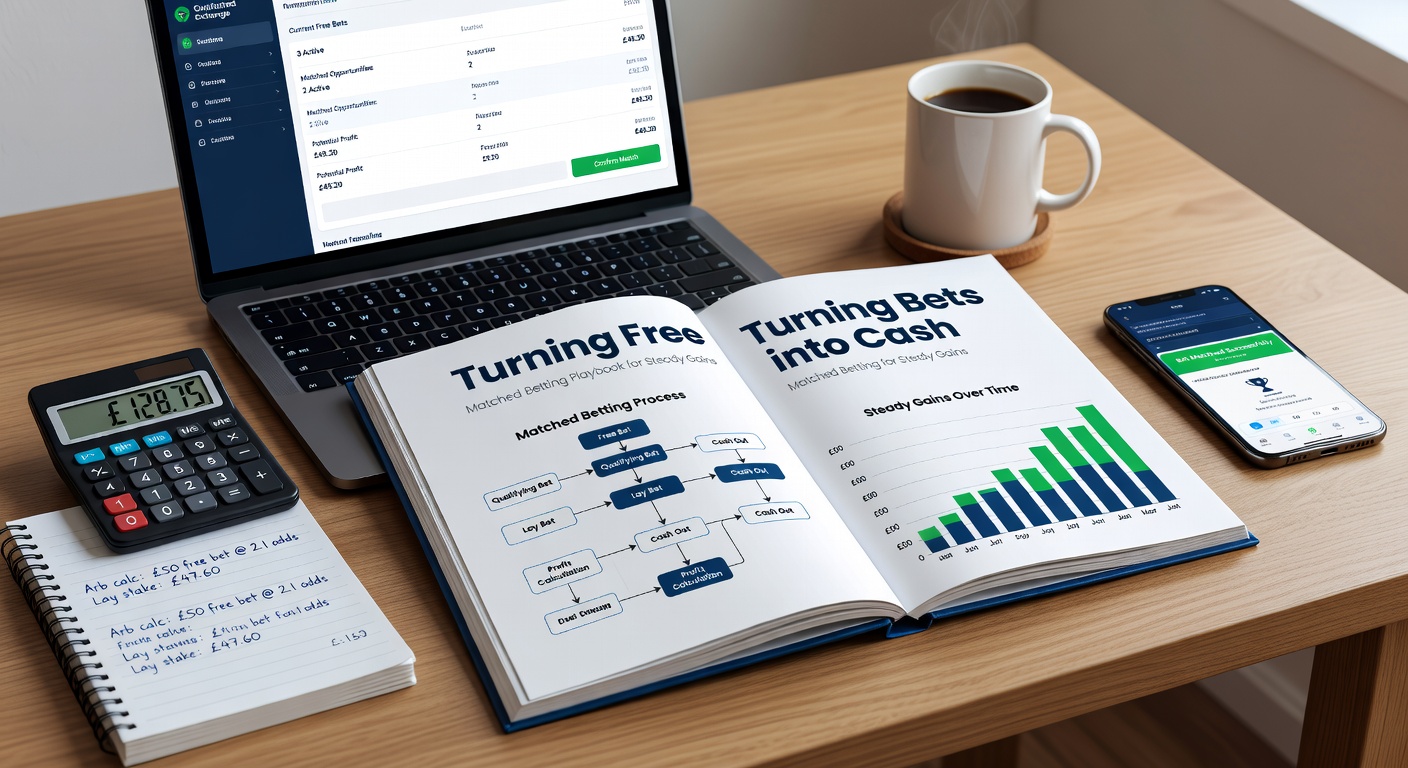
Step-by-Step Playbook: From Sign-Up to Cashout
Start by registering with a bookmaker offering a free bet—say, bet £10 get £30—then fund the account and place a qualifying wager on an odds matcher-recommended event; next, head to the exchange, lay the exact stake at comparable odds, adn watch the positions cancel out regardless of result. Once qualified, repeat with the free bet: back high with the promo at the bookie, lay low on the exchange to minimize void liability, and extract the profit via withdrawal.
- Scan daily offers using free odds matchers; popular ones flag tennis overs or football doubles for best liquidity.
- Calculate stakes precisely—exchange lay liability equals (back odds - 1) x back stake—to avoid overexposure.
- Track everything in a spreadsheet: column for bookie profit/loss, exchange commissions (typically 2-5%), and net gain.
- Mug accounts strategically by varying bets, delaying withdrawals, and mimicking recreational patterns to unlock more promos.
Those who follow this religiously report £500-£1000 monthly from 20-30 hours weekly, especially during April 2026's packed calendars with Premier League finishes and Cheltenham echoes still fresh; but precision matters, since sloppy odds matching erodes edges quickly.
Essential Tools and Software Driving Efficiency
Odds matching platforms like OddsMonkey or Profit Accumulator automate the hunt, pulling live data from dozens of sites to pair backs and lays instantly; free trials let newcomers test without commitment, while paid tiers unlock advanced filters for accumulators or casino conversions. Figures from user forums reveal these tools boost retention from 60% to 95%, slashing manual errors that once plagued pioneers.
Betting exchanges remain king—Betfair dominates with deep markets, Betdaq offers lower commissions for volume players—and browser extensions flag ghost offers or auto-place bets; add a VPN for geo-locked promos, although regulations tighten in spots. What's interesting is how Australian government research on exchange dynamics confirms matched strategies minimize house edges to near-zero, validating the toolkit's role in scalable gains.
Navigating Risks: Qualifying Losses, Gubbing, and Edges
Every qualifier dips into pocket—about 80% free bet value survives, but volume compounds it; gubbing hits when books limit winners, so spread activity across 50+ sites, mix in losers, and extract via Smarkets for low-fee lays. Commission fees nibble 2-5% per trade, yet high-volume users negotiate reductions, keeping nets positive.
Tax-free in many jurisdictions adds appeal, although IRS rules snag US residents on winnings over thresholds; data indicates European players thrive under lighter oversight, with April 2026 seeing fresh waves of NBA playoffs and IPL cricket fueling options. Observers note that discipline trumps all—impulse bets derail plans—while bankroll management at 200x average qualifier ensures sustainability.
Take one case where a bettor hit 50 sign-ups in a month, banking £2,400 net; another scaled to £40k yearly by converting casino freebies via low-edge games like blackjack, proving the playbook adapts.
Real-World Examples and Seasonal Opportunities
Consider Manchester United vs. Arsenal: back United at 2.10 (£100 stake) for qualifier, lay £102.50 at 2.05 on exchange, netting -£1.50 loss; free bet version backs £30 at 2.10, lays £29 at 2.05, yielding £22.50 profit post-commission. Scale to horse racing specials—each-way matches shine with place terms—or tennis where no-draw simplifies math.
April 2026 brings Euro qualifiers and Masters golf, where books dangle enhanced odds; teams who've documented runs show £300 from five midweek offers alone, highlighting the snowball effect as reloads unlock. It's not rocket science, yet consistency separates casuals from pros banking five figures annually.
Current Landscape: April 2026 Momentum
With remote betting hitting records—global volumes up 15% year-over-year per industry logs—free bet pots overflow, even as operators tweak terms; Canadian provinces report matched uptake rising 20% post-legalization, mirroring trends elsewhere. Software updates now integrate AI for predictive matching, edging out manual hunts; those plugged in grab exclusives before saturation.
Yet the writing's on the wall: as awareness spreads, virgin offers dwindle, pushing focus to advanced plays like Dutching multiples or arb hunting between exchanges. Still, for newcomers, the entry barrier stays low, with communities sharing fresh lists daily.
Wrapping Up the Playbook: Sustainable Paths Forward
Matched betting delivers steady gains by mathematically locking free bet value, demanding time over fortune; from basics to tools, the steps empower users to build bankrolls methodically, navigating risks with spread and discipline. As April 2026 unfolds with event-packed slates, opportunities abound for those who execute precisely—research confirms long-term yields of 50-70% ROI on promo volumes, turning what's offered into what's withdrawn. Experts who've scaled it emphasize tracking, diversification, and patience; the ball's now in players' courts to deploy this playbook effectively.