Punto Banco Unraveled: Scorecards, Roadmaps, and the Hidden Dangers of Pattern Hunting
Punto Banco Unraveled: Scorecards, Roadmaps, and the Hidden Dangers of Pattern Hunting
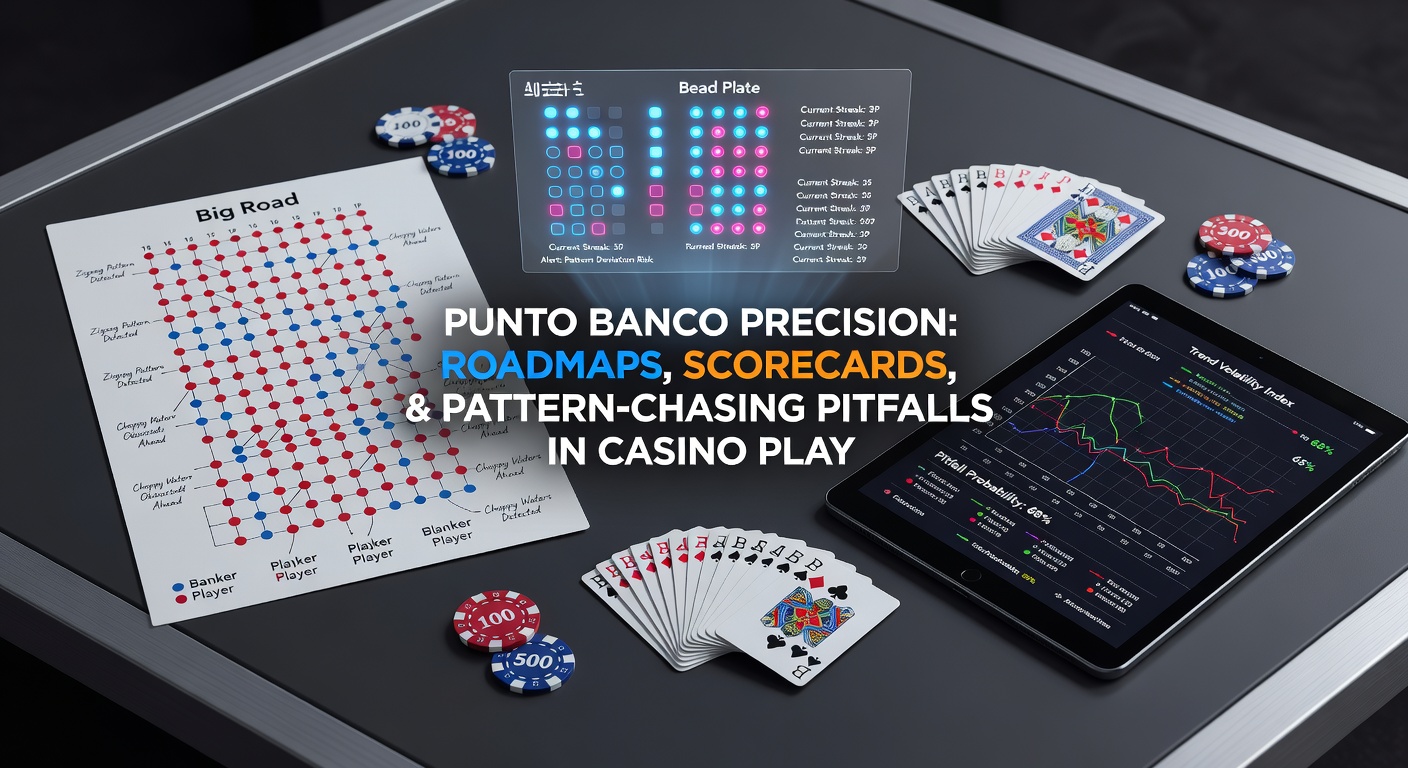
The Basics of Punto Banco and Its Enduring Appeal
Punto Banco, a staple in casinos worldwide, draws players with its straightforward rules and quick pace; the game pits two hands—Player and Banker—against each other, where the objective boils down to betting on which hand gets closest to nine, or if they'll tie. Dealers handle all cards, making it a pure game of chance rather than skill, unlike other baccarat variants; data from the Nevada Gaming Control Board reveals that baccarat variants like Punto Banco generated over $1.2 billion in revenue across Nevada casinos in 2025 alone, underscoring its popularity among high rollers and casual bettors alike.
Players wager on Player (house edge around 1.24%), Banker (1.06% after commission), or Tie (14.36%), and while the Banker bet edges out due to drawing rules favoring it slightly, the game's allure lies in those scorecards and roadmaps displayed on every table; these visual trackers log outcomes in patterns that tempt bettors to predict the next hand, but here's the thing—each deal stands independent, unaffected by what came before.
Take a typical session: a streak of Banker wins lights up the scorecard, prompting some to double down, convinced the pattern will hold; yet statistics show no such predictability exists, as confirmed by long-term casino data where win distributions hover near theoretical expectations regardless of prior sequences.
Demystifying Scorecards and Roadmaps: Tools or Traps?
Scorecards in Punto Banco come in several forms—the classic Bead Plate marks every outcome in columns with circles for Player (blue), Banker (red), and Tie (green slashes)—while the Big Road, more intricate, uses overlapping circles to highlight streaks and chops; the Big Eye Boy and Small Road add layers, showing derived patterns from the Big Road itself, and the Cockroach Road follows suit, all designed originally for Hong Kong casinos to let players verify dealer accuracy.
Observers note how these evolve digitally in live online Punto Banco streams popular in April 2026, where software renders them in real-time on screens; platforms report player engagement spikes when roadmaps fill with long Banker runs or alternating Player-Banker chops, but research from the Australian Gambling Research Centre indicates that reliance on these visuals correlates with extended play sessions and higher losses, since they foster illusions of control.
What's interesting is how patterns emerge purely by chance; for instance, in 100 hands, a streak of five Bankers occurs about 1.4% of the time, mirroring coin-flip runs, yet players misinterpret this randomness as a signal, switching bets mid-streak or chasing ties after clusters—behaviors that amplify the house edge over time.
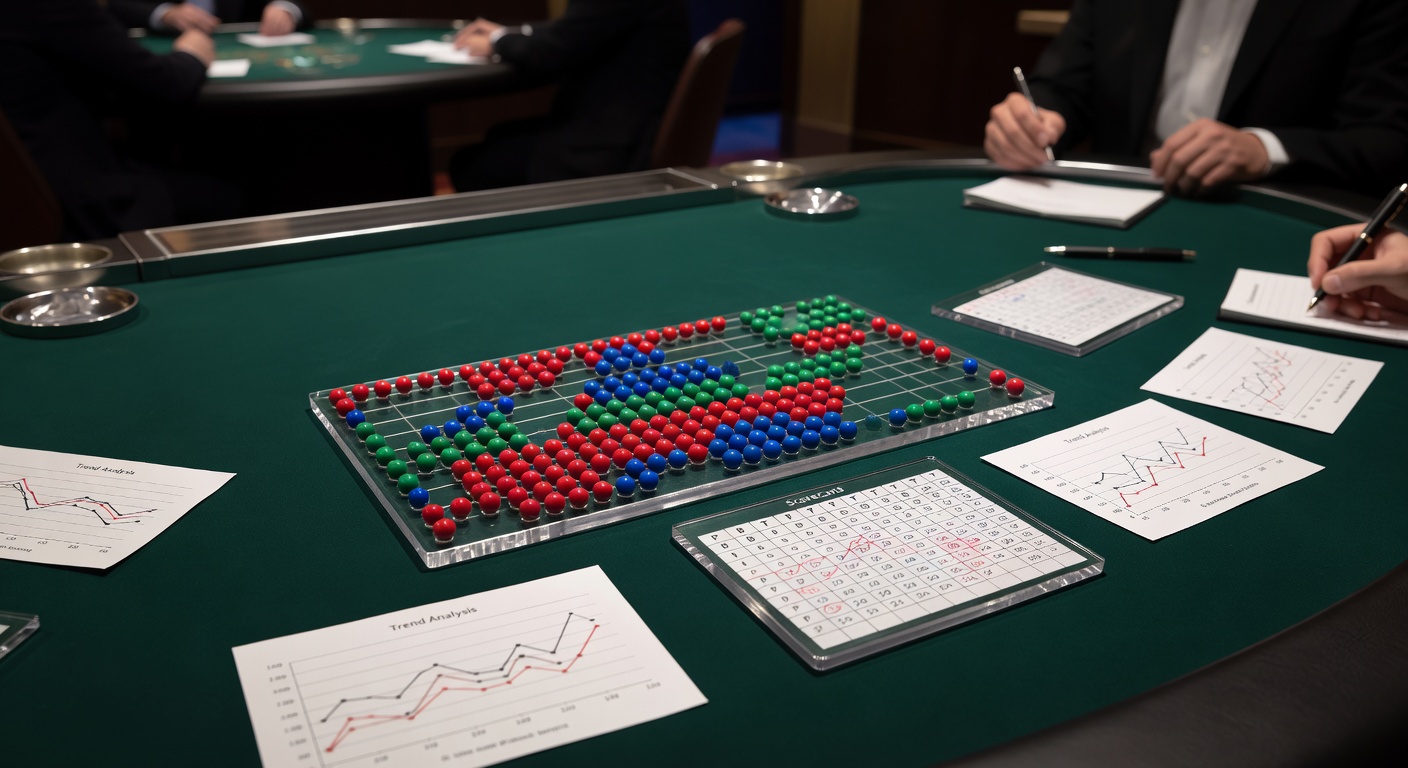
Pattern-Chasing Pitfalls: The Gambler's Fallacy in Action
Pattern chasing hits hard in Punto Banco because roadmaps make streaks visually compelling; after four Player wins, many bet Player again expecting continuation, or switch to Banker anticipating a reversal—classic gambler's fallacy, where folks believe past independents influence future ones, but simulations run by mathematicians like those at the University of Waterloo demonstrate that betting against streaks or with them yields identical long-term results to random wagering, adjusted only for the base house edges.
And consider this case: a Macau casino study tracked 10,000 Punto Banco shoes in 2024, finding players who followed Big Road patterns lost 12% more per hour than those sticking to Banker bets blindly; the reality is, ties disrupt patterns unexpectedly (occurring 9.5% of the time), and choppy roads fool bettors into frequent switches, racking up commissions on Banker wins without gain.
But here's where it gets interesting—live dealer games in April 2026, streamed from studios in Malta and the Philippines, amplify this with chat features where players share "hot streaks," leading to herd mentality bets; data from aggregator sites shows session volatility jumps 25% during such communal pattern hunts, turning a low-edge game risky.
Common Traps Players Fall Into
- Streak riding: Doubling after three Bankers, ignoring that probability resets each hand.
- Chop chasing: Alternating bets on Player-Banker sequences, which appear 40% of the time but don't predict ahead.
- Tie temptations: Roadmaps highlight ties as slashes, luring bets despite the steep 14% edge.
- Derived road obsession: Big Eye Boy signals "trend changes" that are just mathematical echoes, not forecasts.
Experts who've analyzed thousands of shoes emphasize that while roadmaps entertain and build table atmosphere—especially in vibrant Asian casino floors—they serve verification, not prophecy; one researcher who pored over archived casino footage noted how pros glance but bet Banker consistently, letting the math do the work.
Mathematical Reality Behind the Visuals
Each Punto Banco hand derives from an eight-deck shoe, with fixed drawing rules: Player stands on 6-7, draws on 0-5; Banker adjusts based on Player's third card, creating that slim Banker advantage; probability models confirm outcome independence—P(Banker|prior Banker) equals P(Banker) at 45.86%, so roadmaps merely illustrate the law of large numbers, where short-term clusters balance out.
Turns out, software backtests reveal pattern-based systems underperform flat Banker betting by 0.5-2% over 1,000 hands, depending on aggressiveness; and in April 2026, as VR Punto Banco trials launch in European markets, developers warn against AI-enhanced roadmaps that could deepen these pitfalls by predicting "likely" patterns—still random at core.
People often find solace in marking their own scorecards, believing personal tallies spot edges machines miss, yet audited casino logs from Las Vegas properties show no variance between player-tracked and house results, proving the futility.
Smarter Approaches: Beyond the Patterns
Those who study the game long-term advocate flat betting Banker, avoiding tie wagers entirely, and using roadmaps only for fun or shoe depletion tracking; session data indicates this caps losses effectively, with variance smoothing over 200+ hands.
Now, in progressive jackpot variants gaining traction online, scorecards track side bets too, but their edges soar to 5-10%, making pattern play even costlier; a case from a Canadian casino chain highlighted how one group lost $50,000 chasing a "dragon tail" pattern on the Big Road, only for the shoe to chop wildly next.
So players set limits—say, exit after three losses or a long streak—treating Punto Banco as entertainment, not income; casinos reinforce this with table minimums rising to £25 in London venues by April 2026, nudging casuals toward disciplined play.
Conclusion
Punto Banco thrives on its blend of simplicity and spectacle, where scorecards and roadmaps add flair without altering odds; pattern chasing, though tempting, erodes edges through fallacy-driven bets, as evidenced across global casino data and simulations. Observers see the path forward in recognizing these as historical logs, not crystal balls, allowing bettors to enjoy the game's rhythm while hewing to proven probabilities—Banker bets, bankroll management, and timely exits. In the end, the house edge persists, but informed play keeps sessions sustainable amid the flashing reds and blues.