Payline Patterns in Five-Reel Slots: Understanding Configurations and Their Influence on Winning Chances
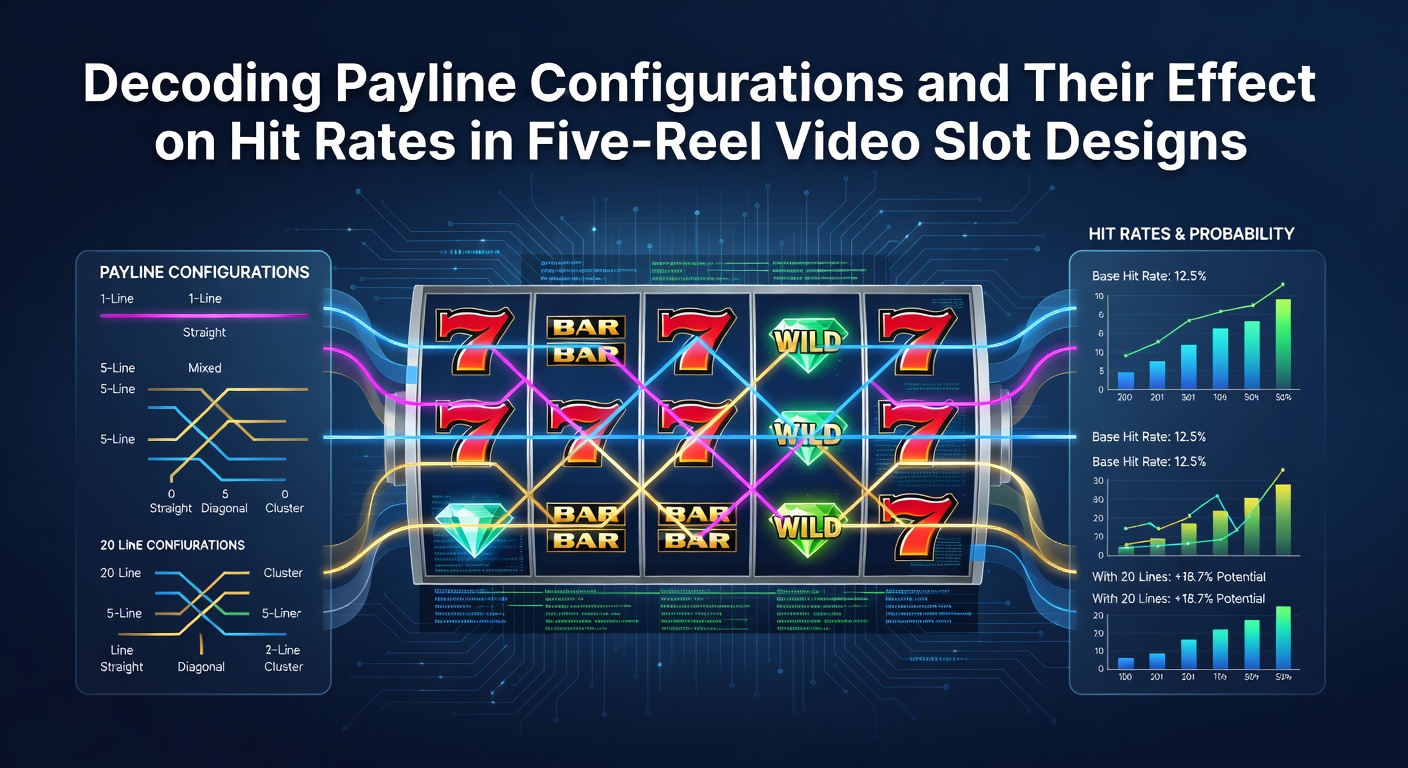
Five-reel video slots form the backbone of many casino gaming floors, and payline setups determine how symbols align to produce wins. Researchers have tracked these mechanics for years because the number and pattern of paylines directly shape hit rates, which measure how often any winning combination appears during play.
Core Elements of Payline Design
Paylines consist of predefined paths that run across the reels, and each line activates when matching symbols land in sequence according to the game's rules. Early five-reel games often featured 20 or 25 fixed lines that paid left to right only, yet modern titles expand this approach with adjustable lines, both-ways payouts, and reel expansions that create thousands of possible combinations.
Fixed configurations lock every line into play on every spin, which raises the total stake but guarantees access to all potential winning routes. Adjustable systems let players select fewer lines, and this choice lowers the hit rate proportionally because fewer opportunities exist for symbols to connect.
How Configurations Alter Hit Frequency
Data from gaming laboratories shows that increasing the number of paylines raises the hit rate in a near-linear fashion when bet size per line stays constant. A 20-line game might record a hit rate near 28 percent, whereas a 243-ways machine often reaches 35 percent or higher because every symbol on adjacent reels contributes to possible wins.
Yet higher hit rates usually pair with smaller average payouts per win, and volatility calculations adjust accordingly. Observers note that games with thousands of ways, such as Megaways formats, distribute smaller prizes more frequently while reserving larger awards for rarer high-multiplier outcomes.
Regional Regulatory Perspectives on Slot Mathematics
Analysts at the New Jersey Division of Gaming Enforcement have published aggregate reports on slot performance metrics, and these figures confirm that payline density influences both hit frequency and overall return-to-player percentages across licensed titles. Similar patterns appear in Canadian provincial data where operators must disclose theoretical hit rates during certification.
One study released in May 2026 by an international gaming research group tracked over 400 five-reel titles and found that variable payline systems produced an average hit rate increase of 6.8 percentage points compared with fixed-line equivalents when total wager remained equal.
Examples from Current Five-Reel Releases
Take a standard title with 25 paylines that run in classic zig-zag patterns; three matching symbols on the first three reels trigger a payout on any active line. In contrast, a 1024-ways game evaluates every symbol position independently, and this structure multiplies the number of evaluated combinations without requiring players to select individual lines.
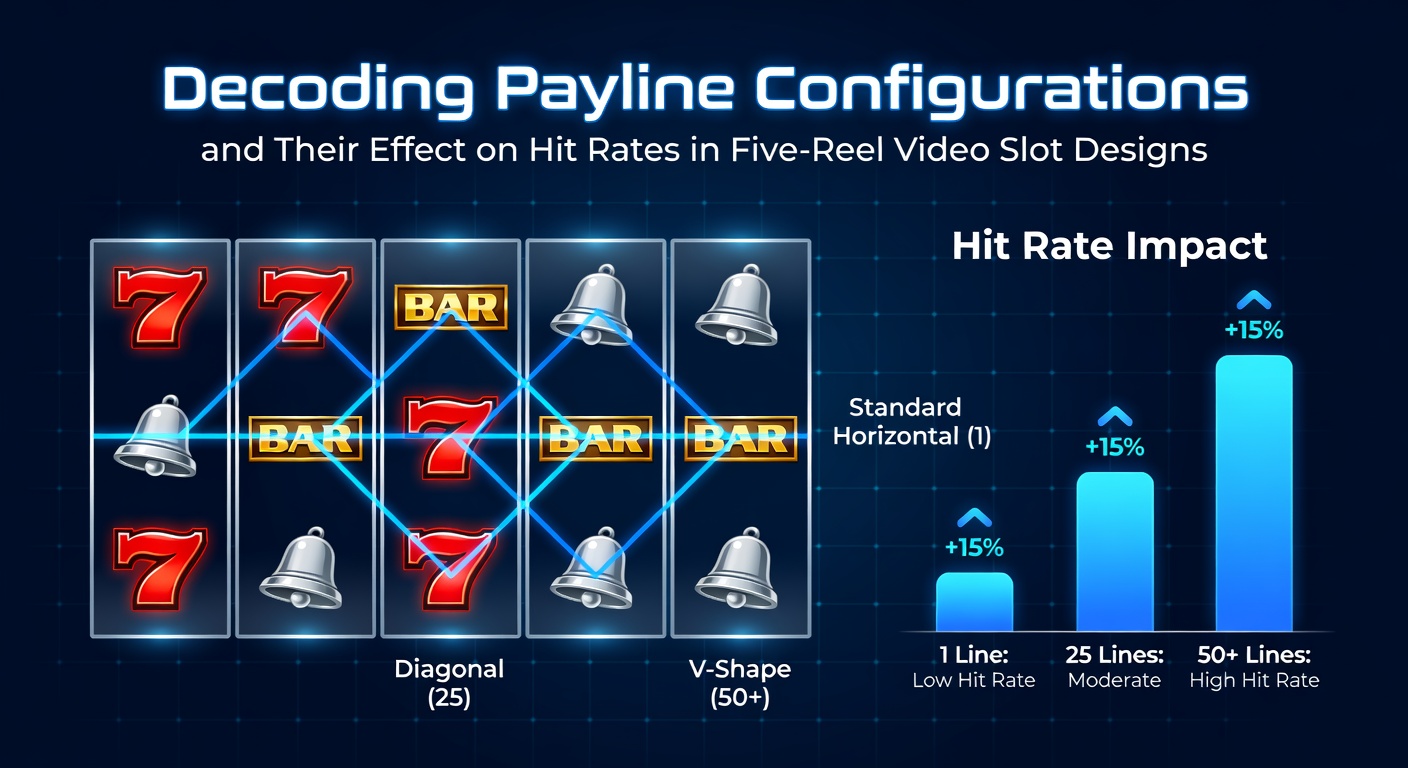
Cluster-pay mechanics remove traditional lines altogether and instead award wins when identical symbols appear in adjacent groups, and this shift alters hit-rate dynamics because position matters more than linear alignment. Several providers have adopted these systems in 2025 and 2026 releases, and early performance data indicates hit rates climb further when reel heights expand dynamically during bonus rounds.
Mathematical Factors Behind the Numbers
Hit rate calculations rely on the total number of symbol positions and the probability distribution across each reel strip. When designers add more paylines or switch to ways-to-win formats, they must balance symbol frequencies to maintain the target return percentage, and this balancing act determines whether the increased hit frequency comes at the expense of larger jackpot potential.
According to findings shared by the Australian Gambling Research Centre, five-reel games that employ both-ways evaluation raise hit rates by roughly 40 percent relative to left-to-right-only setups, yet the average win size decreases in proportion to maintain the same long-term return.
Volatility indexes published by independent testing agencies reflect these trade-offs, and players who prefer frequent smaller outcomes often gravitate toward higher-line or ways-based configurations while those seeking larger swings select titles with fewer active lines.
Conclusion
Payline configurations in five-reel video slots continue to evolve as developers refine reel structures and evaluation methods. The direct relationship between line count, ways-to-win totals, and observed hit rates remains consistent across certified titles, and regulatory data from multiple jurisdictions confirms that these design choices shape player experience through measurable frequency adjustments. Future releases scheduled for late 2026 are expected to test new hybrid systems that blend fixed lines with dynamic reel expansions, and ongoing performance tracking will reveal how these innovations further influence winning patterns.