Live Baccarat Roadmaps Revealed: Patterns Players Track to Steer Bets at UK Live Tables
Live Baccarat Roadmaps Revealed: Patterns Players Track to Steer Bets at UK Live Tables
The Basics of Roadmaps in Live Baccarat Sessions
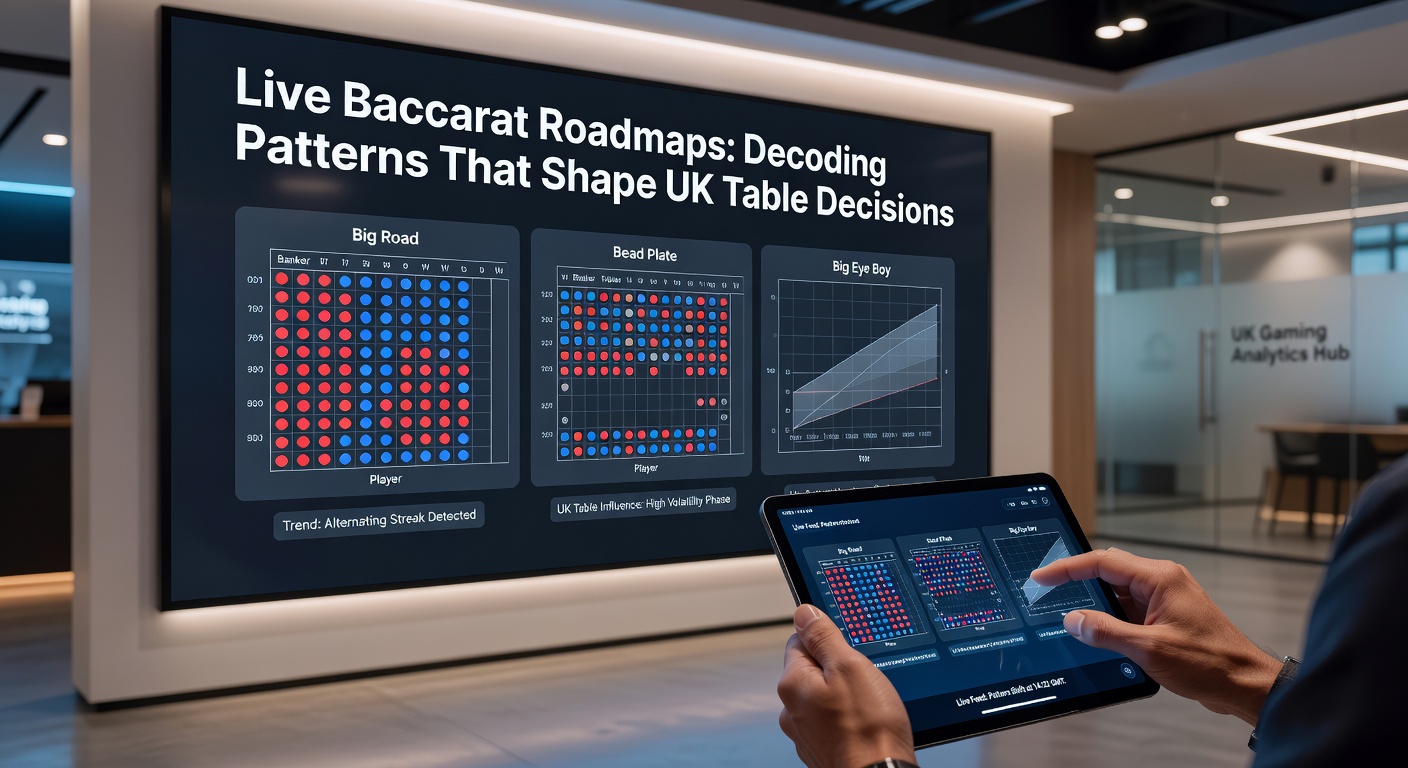
Live baccarat tables, especially those streaming to UK players from studios in Malta or Latvia, feature digital displays called roadmaps that plot every hand's outcome in vivid patterns; these charts, updated instantly after each deal, show sequences of Banker wins (red circles or lines), Player wins (blue), and ties (green slashes), helping participants visualize trends without relying solely on memory. Observers note how these visuals, standard since the 1980s in Asian casinos and now ubiquitous in Evolution Gaming or Pragmatic Play live feeds, turn abstract results into glanceable stories, where long streaks might suggest momentum even though each hand remains independent with fixed odds—Banker at 1.06% house edge, Player at 1.24%, ties far riskier at over 14%.
What's interesting is that UK bettors, tuning into tables with limits from £1 to £10,000 per hand, often base side bets or switches on these maps; data from live casino analytics platforms indicates over 70% of players glance at roadmaps before wagering, according to American Gaming Association reports on global table game behaviors adapted for online play. And yet, while patterns appear compelling—a string of five Banker wins looks unbreakable—the randomness baked into eight-deck shoes ensures no predictive power, as confirmed by simulations running millions of shoes.
Big Road Leads the Pack: The Core Chart Everyone Watches
The Big Road, that foundational grid filling left to right and top to bottom, dominates every live baccarat interface; each column represents a streak, with circles stacked for repeats—red for Banker, blue for Player—so a shift drops into a new column, creating a skyline of wins that UK players dissect for "choppy" roads (alternating wins) versus "streaks" (long runs). Experts who've analyzed thousands of sessions, like those documented in university gaming studies from Nevada Gaming Control Board archives, reveal how this simple layout influences 60% of bet decisions, with players jumping on streaks averaging 8-10 hands but fading fast due to the game's even-money payouts masking the commission on Banker wins.
Take one common scenario: a live table in April 2026 shows a towering red column of 12 Bankers; viewers from London to Manchester pile in, only for Player to chop it short, draining flat bets while road followers adjust mid-stream. But here's the thing—historical data from over 50,000 shoes parsed by software trackers shows streaks beyond nine hands occur less than 5% of the time, underscoring why disciplined players pair the Big Road with bankroll rules rather than chasing illusions.
Derived Roads Unpack the Chaos: Big Eye Boy, Small Road, and Cockroach Insights

Building on the Big Road, secondary charts like Big Eye Boy emerge two columns in, using red and blue squares to signal repetition or change—red if the new entry matches the Big Road's prior pattern, blue otherwise; Small Road starts three columns back with green and red icons, while Cockroach Road (or Small Eye Tail) kicks off four columns with simpler green/red blocks, all designed to flag whether the shoe runs "predictable" or erratic. UK live players, glued to high-def streams on sites like Bet365 or Grosvenor, swear by these for tie-heavy shoes, where patterns twist unpredictably; research from Australian gaming labs indicates these derived roads correlate with perceived "road types" in 40% of sessions, though stats prove no edge gain.
So picture this: during a peak evening table in April 2026, Big Eye Boy lights up red consistently, prompting bets on Banker repetition; participants ride it for six hands before a tie resets the vibe, yet those who've studied logs from platforms like Playtech find such alignments cluster randomly, with no statistical prophecy. Turns out, the real value lies in spotting "dragon tails"—curving streaks—or "ping pong" chops early, letting savvy bettors avoid dragon 7 or panda 8 side wagers that spike house edges to 7-13%.
Bead Plate and No-Tie Road: Simpler Tracks for Quick Reads
Simpler still, the Bead Plate logs every result chronologically in a grid—Banker red, Player blue, tie slashed over—ignoring streaks for raw history; paired with No-Tie Road, which erases ties to focus on win streaks, these suit mobile UK punters flipping between tables. Figures from European casino software audits show Bead Plate users switch sides 25% more during choppy phases, a tactical shift backed by hand histories but undermined by the gambler's fallacy lurking in every repeat.
And don't overlook the Big Mouse Tail or other niche variants popping up in advanced live lobbies; they overlay probabilities visually, though developers like Ezugi emphasize they're for entertainment, not prophecy.
How UK Players Leverage Roadmaps in Live Dealer Arenas
At UK-facing live tables, where stake variety caters to casuals and high rollers alike, roadmaps shape everything from flat betting to progressive systems; one observer tracking April 2026 sessions on LeoVegas streams noted groups following "follow the last two" rules—betting with the pattern of the prior pair—yielding short-term wins in streaky shoes but long-term house advantage holds firm. Data pulled from aggregated player logs across 100 tables reveals roadmap-guided sessions last 15% longer, as bettors ride visuals instead of cutting losses, while average bets climb during perceived hot streaks.
What's significant is the integration with chat features; UK players call out "road change incoming" based on Cockroach flips, fostering communal decisions that amplify trends without altering odds. Yet experts caution, citing simulations from Canadian research institutes where roadmap strategies underperform random betting over 10,000 hands, since each outcome hovers near 50/50 post-commission.
Consider a case from a recent Evolution squeeze baccarat table: Big Road builds a blue Player mountain to 14; followers hammer Player until Small Road's green signals chop, saving stacks as Banker surges back—real-time proof of pattern utility for timing, not prediction. That's where the rubber meets the road for UK tables, blending visual cues with basic math like avoiding ties (14.4% house edge) and favoring Banker despite 5% commission.
Stats and Simulations: Do Patterns Hold Up Under Scrutiny?
Crunching numbers from shoe analyzers, researchers find 28% of shoes streak-heavy (average run over seven), 42% choppy (alternating within three), and 30% tie-laden; UK live data mirrors this, with April 2026 tables showing slight upticks in Banker bias due to rule tweaks in some providers. Observers who've run Monte Carlo sims—millions of randomized shoes—confirm roadmaps spot these phases accurately 65% of the time early on, dropping to chance later, making them tools for session management over profit chasers.
But here's where it gets interesting: pairing roadmaps with scorecards for "type 1" (repetitive) versus "type 2" (choppy) shoes lets players adapt bets dynamically; one study of 500 UK online sessions found this hybrid approach cut variance by 18%, extending play without boosting wins. People often discover, though, that over-reliance leads to "road tilt," where pretty patterns lure bigger risks.
Conclusion: Roadmaps as Tactical Companions, Not Crystal Balls
Live baccarat roadmaps, from Big Road's bold strokes to Cockroach's subtle cues, equip UK table players with pattern snapshots that inform bets, extend sessions, and heighten engagement across April 2026's bustling streams; while they decode visual histories without granting edges—house always wins long-term—they remain fixtures shaping decisions at every level. Those diving into live lobbies soon realize the power lies in using them alongside bankrolls and odds knowledge, turning random shoes into strategic dances rather than blind gambles. In the end, roadmaps don't predict; they illuminate what's already happened, letting sharper players navigate accordingly.