Interconnected Loyalty Systems in Casino Networks: Tier Progression and Redemption Mechanics
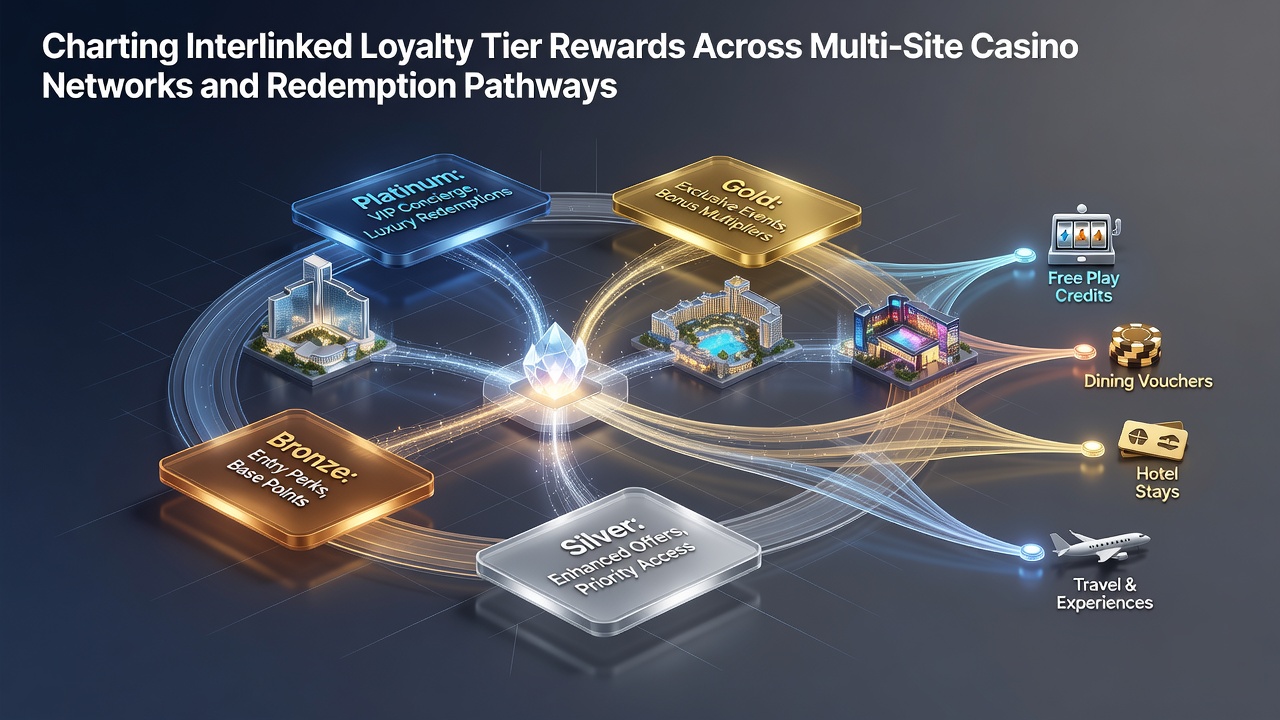
Multi-site casino networks operate loyalty programs that link player activity across properties, allowing points and tier status to accumulate from visits to different venues while creating unified redemption options for rewards such as free play, hotel stays, dining credits, and event access. Data from industry reports indicate these systems track play through centralized databases that assign tier levels based on total coin-in, theoretical loss, or visit frequency across all connected sites.
Core Structure of Linked Tier Systems
Operators assign tiers ranging from entry-level to elite status, with each level unlocking incremental benefits that apply network-wide. According to figures released by the Nevada Gaming Control Board, integrated programs in major chains recorded average tier advancement rates of 12 percent per quarter in 2025, driven by combined play metrics rather than single-property results. Players earn base points at standard rates on slots, table games, and sports wagers, yet multipliers activate once thresholds are met, accelerating movement into higher brackets that deliver priority service, dedicated hosts, and exclusive promotions available at any network location.
Redemption Pathways and Cross-Property Mechanics
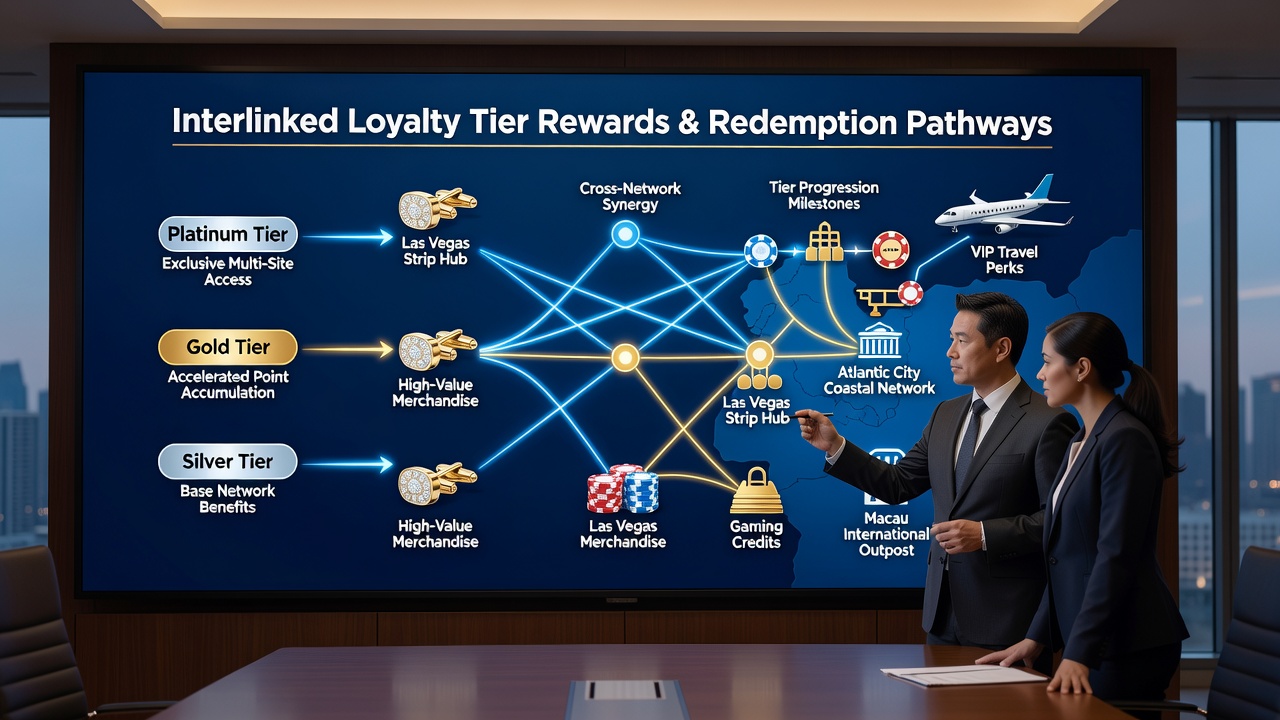
Redemption occurs through digital wallets or physical cards that convert points into comps usable at restaurants, hotels, spas, or retail outlets within the same network. Observers note that pathways often include tier-specific catalogs where elite members access higher-value redemptions such as airfare reimbursements or private gaming events, while entry tiers focus on smaller free-play credits and merchandise. In July 2026, updated platform integrations reported by several operators showed expanded mobile redemption features allowing instant point conversion at any participating property without prior reservation. Those who study these systems find that expiration policies vary, with some networks resetting points annually and others offering extensions tied to recent activity levels.
Data Trends in Multi-Site Participation
Research from the American Gaming Association indicates that players enrolled in interlinked programs generate 28 percent higher annual handle compared with single-site participants, reflecting increased visitation frequency when rewards remain accessible across locations. Figures reveal that redemption rates for non-gaming amenities reached 65 percent of total points issued in 2025, underscoring the appeal of diversified payout options beyond slot credits. Experts tracking these patterns note that geographic clusters, such as regional chains in the western United States or integrated resort groups in Asia-Pacific markets, demonstrate stronger cross-property utilization because travel between sites occurs more readily.
Technical Integration and Regulatory Oversight
Centralized software platforms handle real-time point synchronization, fraud detection, and tier recalculation using algorithms that weigh recency, frequency, and monetary value of play. Regulatory frameworks in jurisdictions like New Jersey and Pennsylvania require operators to maintain audit trails for point issuance and redemption, ensuring transparency in how rewards calculate across properties. Those who've examined compliance reports observe that data-sharing agreements between sites must align with privacy standards while still permitting seamless benefit transfer for verified accounts.
Future Adjustments in Network Loyalty Design
Industry analyses project continued refinement of tier structures through 2027, with emphasis on dynamic multipliers that respond to network-wide occupancy and seasonal demand. Reports compiled by the Canadian Gaming Association highlight pilot programs testing blockchain-based point ledgers that could further streamline redemptions between partnered operators in different provinces. These developments build on existing models where points earned at one venue convert directly into credits at another without manual intervention or additional fees.
Conclusion
Interlinked loyalty tiers across multi-site casino networks create unified tracking and redemption systems that aggregate activity from multiple properties into single player profiles. Redemption pathways expand access to comps ranging from free play to travel perks, supported by centralized databases and mobile platforms. Data from regulatory and industry sources show measurable increases in engagement metrics when benefits apply network-wide, while technical and compliance frameworks maintain accuracy and transparency in point management.