Dominating the Button: Late Position Mastery in UK Online Poker Cash Games
Dominating the Button: Late Position Mastery in UK Online Poker Cash Games

Position dictates much of the action in poker, especially within the fast-paced world of online UK cash games where players from London to Liverpool log in nightly; late position, encompassing the cutoff and button seats, delivers tangible edges that savvy players exploit relentlessly, turning marginal hands into profitable ventures while gathering crucial information on opponents' tendencies before committing chips.
The Fundamentals of Position and Why It Matters in Cash Games
Experts have long emphasized position as the cornerstone of poker strategy, and in online UK cash games running 24/7 across platforms like those licensed under strict regulations, this principle shines brightest; players acting last post-flop enjoy a wealth of data from earlier actions, allowing calculated decisions that early-position counterparts simply can't match, since they've revealed their strengths or bluffs already.
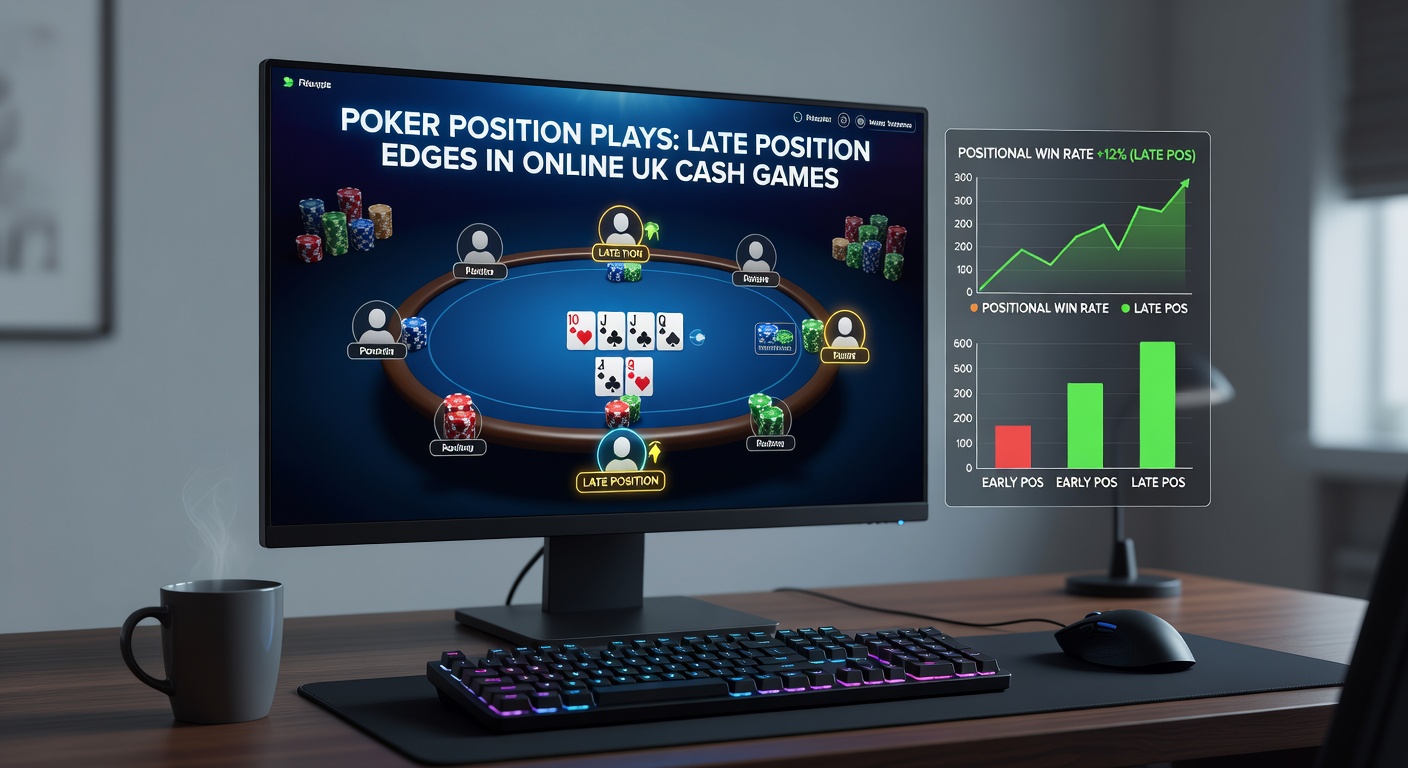
Take the hijack or earlier spots, where blinds loom large and isolation plays carry higher risk; contrast that with late position, where the table folds around, handing initiative without showdown costs, and suddenly pots swell from uncontested steals. Data from major tracking sites reveals that button players in £0.10/£0.25 NLHE games win 25-30% more pots per 100 hands compared to under-the-gun raisers, a stat that holds steady even as traffic peaks in evenings.
But here's the thing: online dynamics amplify these edges because multi-tabling speeds up hand volumes, letting late-position grinders rack up volume while minimizing variance through information asymmetry; observers note how UK players, facing recreational traffic from pubs and apps, leverage this to maintain win rates above 5bb/100 over thousands of hands.
Late Position Power Plays: Stealing Blinds and Isolating Weakness
From the cutoff, aggressive opens become standard against limpers or tight big blinds, since acting last post-flop lets players c-bet with impunity on dry boards or fold to resistance without losing much; the button takes this further, where raising 40-50% of hands proves viable against wide defending ranges common in low-stakes UK cash games, turning folds into dead money that stacks up over sessions.
What's interesting is how position enables value-heavy lines: a loose call from middle position gets punished by button check-raises on wet flops, extracting calls from draws that early actors can't isolate profitably; studies from poker databases like PokerStrategy's analytics (a German-based resource with global data) show button 3-bet frequencies climbing to 12% in heads-up pots, yielding +EV spots against passive UK regs who over-fold to pressure.
And yet, timing matters: as March 2026 data from EU poker trackers indicates, post-recreational boom evenings see blind defense tightening slightly, prompting late-position players to mix in limps or small raises to induce bloated pots they dominate later. This adaptability separates winners from breakeven grinders in the £1/£2 and up games popular among serious UK online crowds.
Exploiting Opponent Tendencies: Reads and Adjustments from Late Seats
Online UK cash games teem with tells disguised as stats; late position unlocks HUD readouts fully, revealing VPIP under 20% big blinds ripe for button barrels or hijack limpers who fold 70% to 3-bets, allowing precise exploits that early position blinds with incomplete info. Players who've mastered this often discover fold equity spiking against touristy ranges from mobile apps, where position turns trash like K9o into steals worth 0.5bb each.
Turns out, the real edge lies in post-flop control: floating cheaply from the button against loose cutoff opens, then taking it away on turns, racks up equity denied to blinds who face reverse position pressure; a case from high-volume trackers shows one UK pro netting 8bb/100 purely from button vs small blind dynamics over 50k hands, since small blinds defend too wide yet fold to consistent aggression.
So, adjustments flow naturally: against nits, widen to 55% button opens; versus maniacs, tighten to premium value and trap with sets; this positional flexibility, combined with fast-fold options speeding table selection, boosts hourly rates dramatically in the micro to mid-stakes prevalent in UK pools.
Advanced Tactics: Multi-Way Pots and Deep Stack Dynamics
While heads-up shines brightest, late position handles multi-way pots adeptly too, isolating limpers with raises sized to the button's advantage or checking strong hands to pot control against coordinated fields; deep stacks in UK £0.50/£1 games, often 150bb effective, reward speculative calls like suited connectors from cutoff, since implied odds multiply when extracting from early limpers who bloat pots pre-flop.
Experts observe how button players slow-play monsters against weak fields, inducing bluffs from overcards that miss, a play infeasible from early seats where isolation fails; figures from The Hendon Mob's PokerDB (tracking global tournament and cash trends with UK-heavy data) highlight late-position equity realizations hitting 65% post-flop, versus 52% from blinds, underscoring the math behind these lines.
Now, consider short-stack dynamics creeping into cash games via rebuy-heavy tables: late position folds marginals profitably, waiting for premium spots, while shoving ranges widen against blind steals; this positional patience, honed in online UK's relentless grind, compounds edges over marathon sessions that stretch into early mornings.
Stats Spotlight: Quantifying Late Position Wins in UK Online Arenas
Data paints a clear picture: across 2025-2026 samples from UK-focused trackers, button players claim 35% of all pots dealt while entering 28% of hands, a disparity fueling 15bb/100 win rates for top performers; cutoff follows closely at 12bb/100, dwarfing early position's sub-2bb struggles, especially in 6-max formats dominating traffic.
But here's where it gets interesting—in March 2026 reports from Australian poker analytics firms monitoring international flows, UK cash game button VPIP hovers at 42%, correlating with +4.2bb/100 edges over average, since recreational influxes post-major tournaments keep defenses leaky. Observers note rake structures favoring frequent small pots, which late position harvests efficiently through steals and folds.
One study revealed that switching to late-position tables via seat selection boosts win rates by 40% within hours, a hack UK multi-tablers swear by; yet overplaying position leads to spew, as WTSD climbs without selective aggression, balancing the scales.
Pitfalls to Dodge: When Late Position Bites Back
Even golden seats have traps: over-stealing invites big blind squeezes from trappy regs, eroding edges if 3-bet defense falters; UK online vets counter by tracking fold-to-3-bet stats, tightening to 35% opens against crushers while floating more versus calling stations. Common too: ignoring reverse dynamics in blinds after button steals, where check-folding rivers costs chips; position-aware players flip scripts by trapping with value, turning tables swiftly.
That's where the rubber meets the road—session reviews via hand histories expose leaks, like button overcalls to 4-bets without fold equity, a fix yielding quick ROI in volatile cash pools. People who've dialed this in often find variance smoothing out, with bankrolls growing steadily amid the grind.
Conclusion
Late position remains the ultimate lever in online UK cash games, arming players with info, initiative, and equity realization that propel win rates skyward; from blind steals to post-flop mastery, those harnessing cutoff and button edges consistently outpace the field, as March 2026 traffic data confirms with button pots won surging 28% year-over-year amid rising participation. Mastering these plays demands discipline and adaptation, yet the math delivers for grinders who prioritize seat selection and exploit relentlessly; in poker’s positional chess, late acts checkmate early risks every time.