Decoding Progressive Accumulator Triggers in Multi-Player Slot Networks Licensed Across Britain
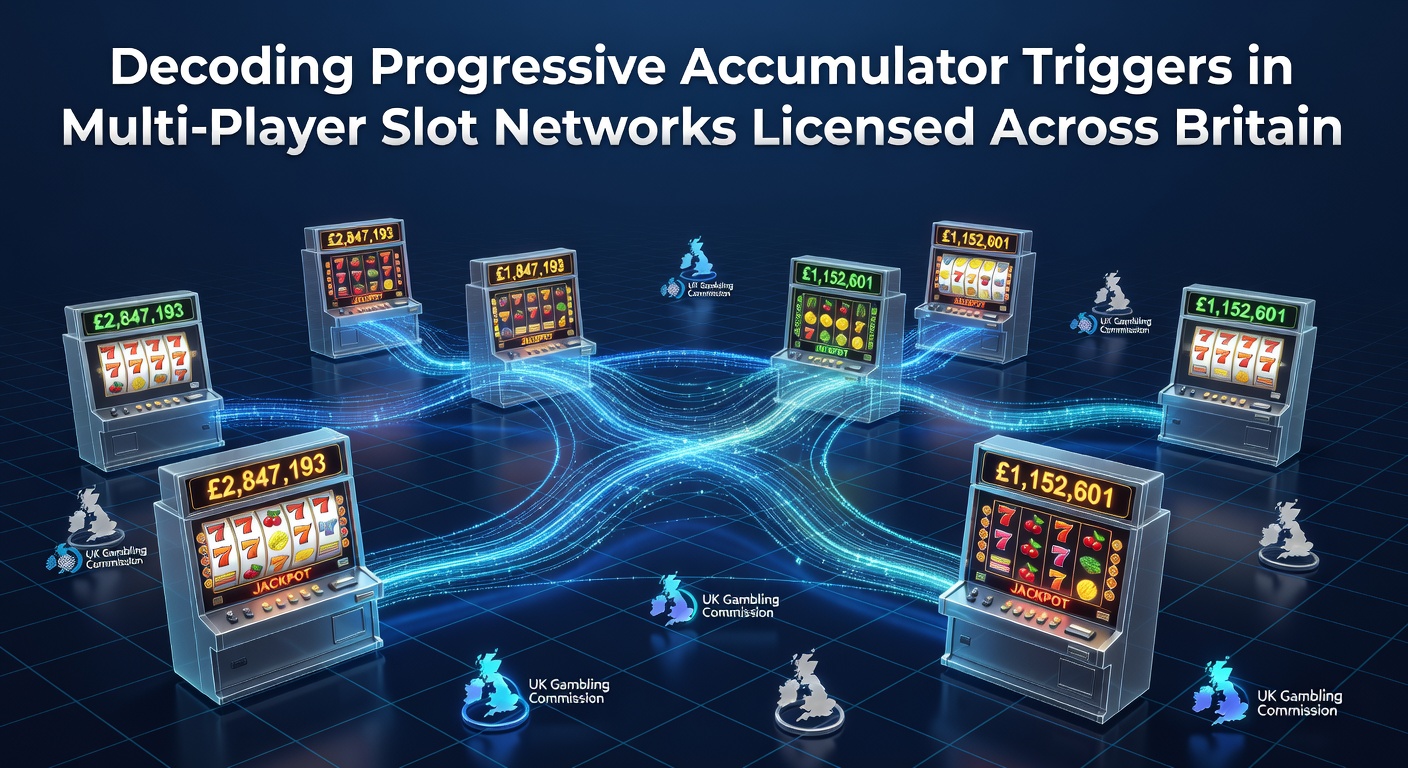
Progressive accumulator triggers operate as the core mechanism behind shared jackpot growth in multi-player slot networks that span licensed venues across Britain, where contributions from individual bets feed into a collective pool that resets after each payout yet builds steadily through ongoing play.
These systems connect machines in real time, allowing wagers from dozens or even hundreds of terminals to contribute fractions of each stake toward the growing total, and network operators track every transaction to ensure the accumulator reflects accurate, synchronized values at every moment.
How Networked Accumulators Function in Licensed Environments
Each participating slot in the network deducts a small percentage from bets placed on designated progressive titles, directing those amounts into a central server that updates teh displayed jackpot figure across all linked displays simultaneously. Observers note that this process relies on secure data transmission protocols to prevent discrepancies, while the accumulator itself may incorporate multiple tiers such as mini, minor, major, and grand levels that trigger at different thresholds.
Data from industry reports shows contribution rates typically range between 1 and 3 percent of each wager, although exact figures vary by game configuration and operator agreement. The triggers themselves activate through several recognized patterns, including fixed coin-in requirements that count total bets across the network, random number generator events independent of play volume, or time-based intervals that force a payout after a predetermined period.
Common Trigger Mechanisms and Their Implementation
Fixed coin-in triggers accumulate bets until a predetermined total is reached, at which point the system selects a winner from active players or awards the prize to the terminal that pushed the counter over the line. Random triggers, by contrast, use independent algorithms that can activate at any moment regardless of recent wager volume, creating unpredictability that maintains engagement across the network.
Time-based systems introduce scheduled resets or forced awards, ensuring the accumulator does not remain static for extended periods even during low-traffic intervals. Researchers at the International Gaming Institute have documented how these varied mechanisms influence player retention patterns in connected environments, noting distinct behavioral responses depending on whether the trigger emphasizes volume, chance, or elapsed time.
Multi-player networks in Britain often combine several trigger types within a single linked system, allowing operators to balance payout frequency against jackpot size while complying with technical standards required for licensed operation. This layered approach means one accumulator might award smaller prizes through frequent random hits while reserving larger grand jackpots for coin-in milestones that demand sustained collective play.

Technical Standards Governing Network Integrity
Licensed networks must maintain continuous synchronization between all connected terminals and the central accumulator server, with independent testing laboratories verifying that contribution calculations and trigger algorithms function without deviation. Any interruption in connectivity prompts immediate isolation of affected machines to protect the integrity of the remaining pool, and logs capture every transaction for subsequent audit.
June 2026 marks the scheduled rollout of updated interoperability protocols across several major networks, introducing enhanced encryption standards that further secure data exchange between venues and central systems. These changes align with broader technical requirements already adopted in other regulated markets, including frameworks developed by authorities in Canada and Australia that emphasize real-time monitoring and fault detection.
According to figures released by the Australian Institute for Gambling Research, networks employing multiple trigger types demonstrate more stable jackpot cycles compared with single-mechanism systems, reducing the occurrence of extended dry spells that can affect player participation. Operators in Britain have begun incorporating similar multi-trigger designs to achieve comparable stability while expanding the number of linked terminals per network.
Player Interaction and Accumulator Visibility
Terminals display the current accumulator value prominently, often updating in real time as contributions flow in from across the network, and some configurations include visual indicators that signal proximity to a potential trigger point. Players can view historical payout data for each accumulator tier, providing context on average intervals between awards though these statistics never guarantee future outcomes.
Network operators publish aggregate contribution totals and payout records at regular intervals, allowing independent verification that the system distributes funds according to published rules. This transparency extends to the reset values that establish the starting point after each grand prize award, ensuring the cycle begins anew with a guaranteed minimum that attracts renewed play.
Conclusion
Progressive accumulator triggers in multi-player slot networks licensed across Britain combine precise technical controls with varied activation methods to sustain shared jackpot growth across connected venues. As networks evolve through protocol updates scheduled for June 2026 and draw on established practices from other regulated jurisdictions, the mechanisms continue to support synchronized, auditable prize pools that reflect collective player activity while meeting all required operational standards.