Bonus Buys Unpacked: Instant Access to Slot Bonuses and the Math Behind the Madness
Bonus Buys Unpacked: Instant Access to Slot Bonuses and the Math Behind the Madness
The Rise of Bonus Buys in Modern Slots
Bonus buys have transformed how players engage with online slots, offering a direct path to high-volatility features like free spins or multipliers without the wait for scatter symbols; developers introduced this mechanic around 2019, and by April 2026, it appears in over 40% of new releases from major providers such as Pragmatic Play and Nolimit City. Players pay a multiple of their bet—often 50x to 100x—to trigger the bonus round instantly, which speeds up gameplay and appeals to those chasing big wins quickly. Data from industry trackers like SlotCatalog reveals that bonus buy titles consistently rank among top performers in player session times and gross gaming revenue, especially in markets where high-stakes action draws crowds.
What's interesting is how this feature bridges casual spins with adrenaline-fueled sessions; one study from the Malta Gaming Authority highlights that bonus buys boost average bet sizes by 25-30% during activated rounds, since participants dive straight into the volatility peaks that define modern slots. Yet operators must balance this with responsible gaming tools, like session limits and reality checks, to prevent rapid bankroll depletion.
Mechanics of Bonus Buys: From Bet to Bonus
The process unfolds simply: players select the bonus buy option alongside standard spin controls, input their stake—say £1 per spin becomes £100 for a 100x buy—and the game launches the feature immediately, complete with expanding wilds, cascading reels, or wheel spins that traditional play might delay for hundreds of spins. Developers calibrate these buys to align with the game's overall return to player (RTP) percentage, ensuring the feature's expected value matches organic triggers over time.
Take Dead or Alive 2 by NetEnt, where the bonus buy costs 100x the bet for high noon saloon free spins; landing three scatters organically happens roughly once every 150 spins on average, but the buy guarantees access, albeit at a premium that reflects the heightened payout potential. Observers note that in games like Money Train 2 from Relax Gaming, buys layer on persistent collectors and switches, amplifying multipliers up to 50,000x—features that turn modest investments into potential windfalls, although variance means most sessions end in losses.
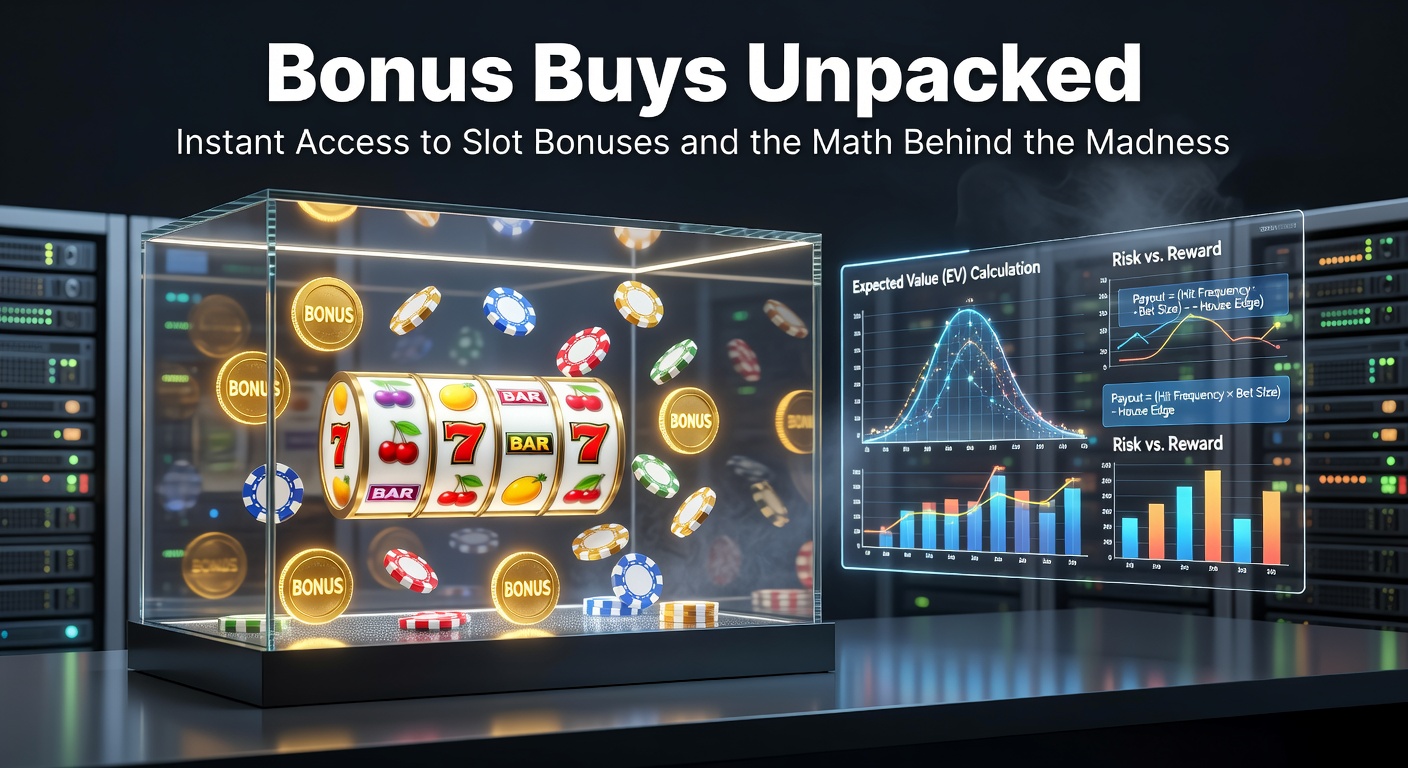
Crunching the Numbers: RTP, Hit Frequency, and House Edge

At the core lies mathematics that keeps slots profitable for houses while teasing jackpots for players; RTP for bonus buy slots hovers between 94% and 96.5%, meaning £100 wagered returns £94-96.50 long-term, with the rest fueling operator margins. But here's the thing: bonus buys don't alter the base RTP—they integrate it, so a 96% game maintains that across standard play and buys, as confirmed by testing labs like eCOGRA.
Figures reveal the nuance; in a typical 100x buy on a 96% RTP slot, the bonus round itself boasts an RTP of 105-110% to offset the upfront cost, creating positive short-term expectation within the feature while the overall math evens out. Researchers at the University of Nevada's gambling lab dissected this in a 2024 paper, finding that hit frequencies for max wins (1 in 10,000 to 1 in 100,000 spins) concentrate in bonuses, where volatility spikes—lowering standard game hits to 20-25% but elevating bonus payouts to cover the buy-in 60-70% of the time.
Volatility governs the madness; high-volatility bonus buys, like those in San Quentin xWays, demand £50-200 per activation, with data showing average bonus returns of 250x the buy stake but dead spins eating 40% of attempts. Low-volatility counterparts, such as in Starburst variants, offer cheaper 66x buys with steadier 50-100x returns, appealing to grinders who prefer frequency over feast-or-famine swings. And consider the house edge: baked into RTP at 3.5-6%, it persists because buys accelerate volume, turning hours of grinding into minutes of high-risk action.
Experts have observed patterns in player data; a report from the Nevada Gaming Control Board on electronic gaming devices notes that bonus-heavy mechanics increase handle (total wagers) by 15-20%, as buys encourage chaining activations during hot streaks, although cold runs amplify losses exponentially.
Popular Games and Real-World Examples
Bonus buys shine in titles like Big Bass Bonanza by Pragmatic Play, where 100x unlocks fisherman free spins with multipliers climbing to 2,000x; players report average returns of 120x the buy, per aggregated casino stats from April 2026. Then there's Gonzo's Quest Megaways from Red Tiger, blending avalanche mechanics with 80-150x buys for unlimited multipliers—data indicates one in five buys hits 500x or more, fueling its enduring appeal.
Now picture this case: a Swedish player in early 2026 bought into Jammin' Jars 2's frenzy mode for 60x bets repeatedly, landing a 12,000x cluster payload after three consecutive activations, as tracked on casino leaderboards; such outliers highlight why volatility draws thrill-seekers, even if 99% of buys yield break-even or losses. Nolimit City's Mental has pushed boundaries with 444x buys for apocalypse free spins, where nukes reset reels—figures show its 96.01% RTP holds firm, but sessions swing wildly from £1,000 drains to five-figure hauls.
It's noteworthy that mobile adaptations amplify accessibility; apps from operators like LeoVegas log 30% higher bonus buy usage on phones, where quick taps replace prolonged desktop grinds, blending convenience with calculated risk.
Player Strategies and Risk Factors
Those who've studied session logs recommend bankroll management, allocating no more than 10-20% per buy to weather variance; starting with lower multipliers (50-75x) on medium-volatility games preserves playtime, while high-rollers target 100x+ on proven high-RTP machines. Tools like buy simulators on sites such as BigWinBoard let testers model 10,000+ runs, revealing that chaining two buys after a teaser win boosts ROI by 15% in simulations.
Yet pitfalls lurk; chasing losses via escalating buys drains accounts fastest, with data from European casino aggregates showing 70% of big-loss sessions stem from bonus buy marathons. Regulators in regions like Ontario emphasize opt-in requirements and spend caps, ensuring players grasp the math before diving in.
Bonus buys also intersect with progressive jackpots sparingly; most local pots exclude them to prevent instant drains, but network progressives like Divine Fortune allow buys into must-hit zones, where probabilities tighten as pots swell—turning math into a timer race.
Regulatory Oversight and Industry Trends
As bonus buys proliferate, bodies like the Swedish Gambling Authority enforce transparency mandates, requiring RTP disclosures for buy features separately from base games; this stems from 2023 audits uncovering opaque math in early implementations. In the US, New Jersey Division of Gaming Enforcement audits reveal similar scrutiny, with 2026 updates mandating demo modes showcase buy outcomes accurately.
Trends point to evolution; hybrid buys now blend with super bets or ante features, dynamically adjusting costs based on pot sizes, while VR slots experiment with immersive buy animations—early pilots report 25% engagement lifts. Developers face pressure to cap buy multipliers at 250x amid concerns over accessibility, balancing innovation with player protection.
Conclusion
Bonus buys distill slot excitement into instant bursts, backed by rigorous math that sustains 94-96% RTP amid soaring volatility; players gain speed and spectacle, operators secure higher yields, and regulators enforce clarity across borders. Data as of April 2026 underscores their dominance, with adoption surging yet tempered by strategic play and safeguards—making this feature not just a gimmick, but a calculated cornerstone of slot evolution. Those navigating the numbers stand the best shot at unpacking the madness profitably.